Clarify
Record the vehicle or sample part and write down any dimensions the buyer still needs to confirm.

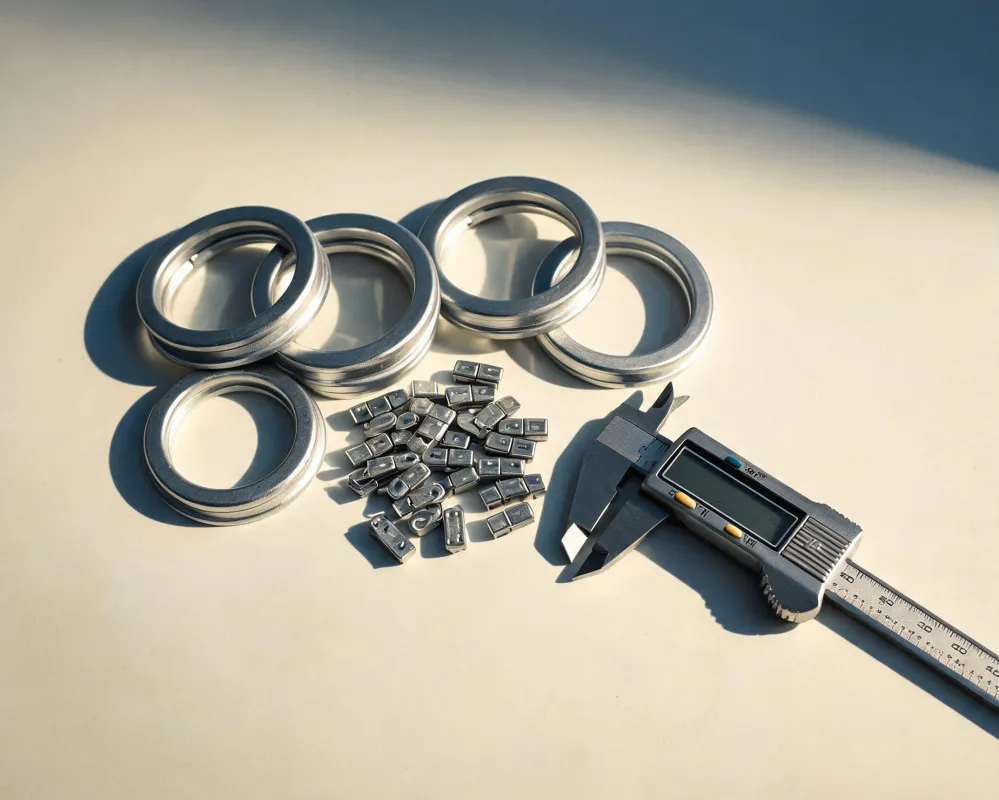
The wheel-end buying desk
Need hub-centric rings, clip-on wheel weights or related service parts from China? We coordinate sourcing around your fitment details, quantity and destination, so you can compare supplier offers on the same basis.
| Part | Send with your brief |
|---|---|
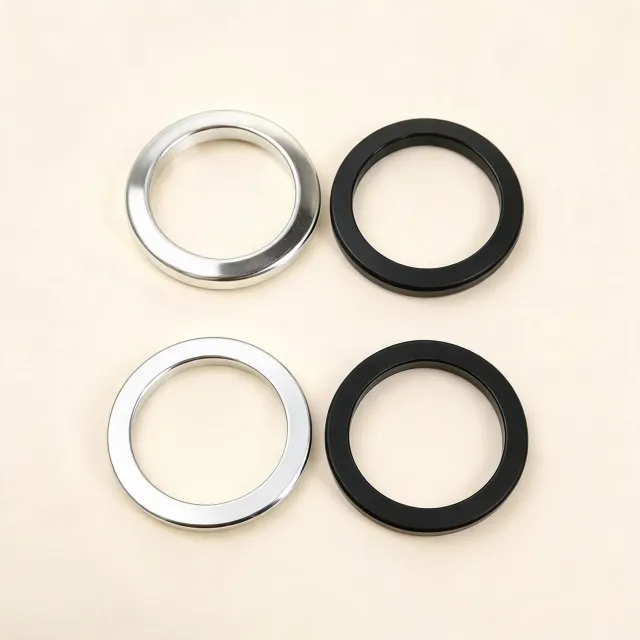
| Hub-centric ring | Wheel center bore and vehicle hub pilot in mm, ring depth, chamfer and material. An example size pair is 66.6 mm OD × 57.1 mm ID. Measure both interfaces on the application. |
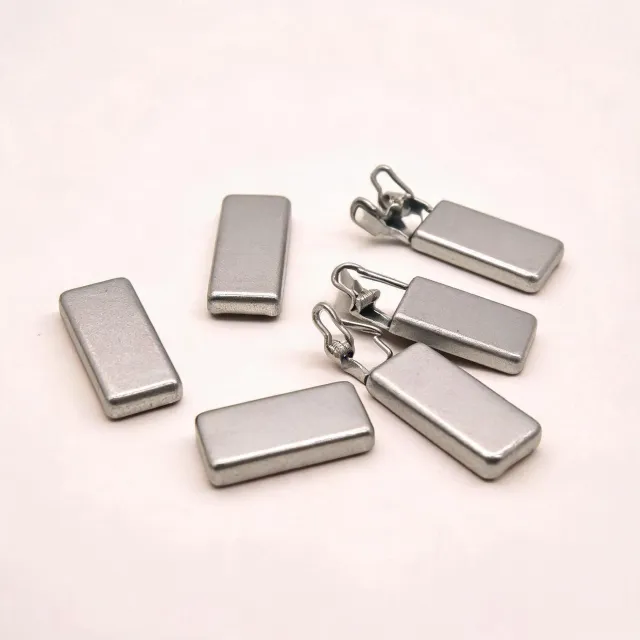
| Clip-on weight | Rim material, flange profile, weight increment in grams, coating and target market. Ask whether the clip drawing matches the flange before comparing price. |
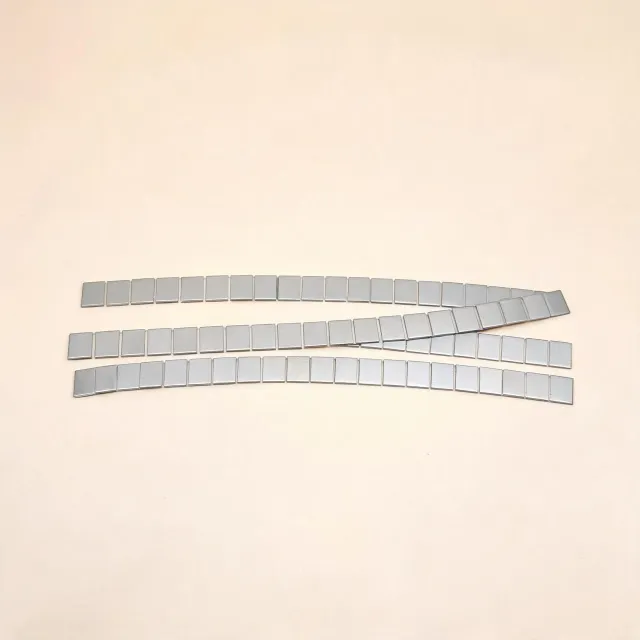
| Adhesive weight | Segment mass, strip width, backing and wheel finish. Request application and conditioning instructions for the supplier’s specific adhesive. |
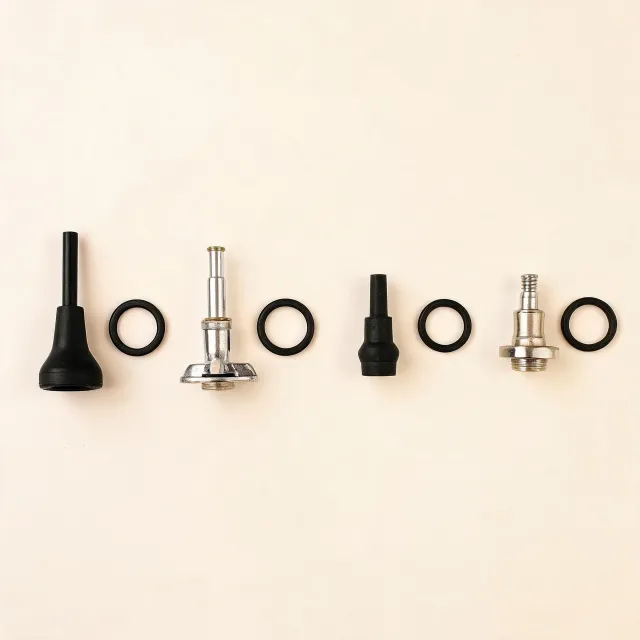
| Valve service kit | Stem length, valve hole diameter, seal seat, thread and the items expected in each kit. |
| Product | Send with your brief |
|---|---|
| Alloy or commercial wheel | Rim diameter and width, PCD or bolt pattern, wheel offset (ET), center bore, load rating, finish, vehicle and target market. Add rim construction for commercial applications. |
| Road or specialty tire | Size, load index, speed rating, tread pattern, operating surface, quantity and destination port. For off-road tires, include duty cycle and casing or cut-resistance priorities. |
| Product | Send with your brief |
|---|---|
| Wheel hub assembly | OE cross reference, VIN or vehicle details, hub flange, ABS encoder ring and sensor interface, and installation hardware. |
| Bearing or kit | OE reference, bore, OD and width, bearing preload or service procedure where applicable, seal lip configuration and kit contents. |
Record the vehicle or sample part and write down any dimensions the buyer still needs to confirm.
Line up unit, pack count, setup cost, trade term, MOQ and lead time by supplier and SKU.
Agree on the drawing revision and acceptance checks before sample or third-party inspection coordination.
Reconcile carton marks, packing list and shipment document responsibilities with the suppliers and forwarder.
Compare ring dimensions, pack units and market-specific declarations across SKUs.
Group clip-on weights by actual flange profile and train against a reference wheel.
Provide tire size, axle loads, route conditions and the existing fitment record.
Keep OE cross references tied to confirmed application and revision.
A catalog size can simplify replenishment if bore, pilot and seating depth already match. A custom ring can address a different chamfer or depth, with a new drawing, sample approval and supplier-specific MOQ.
Agree on the wheel flange profile and fit-check procedure. Note the rim material, finish and mass marking. A sample fit on one profile leaves other profiles unverified.
One supplier simplifies revision control and carton labeling. A second option can fill size gaps or provide continuity, with extra work to align tolerances, records and packaging before mixed-container loading.
Check whether the record describes the supplier’s quality system or a product-specific test or approval. Ask for its issuer, location, model scope and target market before relying on it.
Send either one with your vehicle application and destination. Flag dimensions you still need to verify.
Start your sourcing brief